



Dirty Dopers, cheating or competing?
By Cassandra Terry, Jessica Sells, Elizabeth Sawyer & Claire Sarell from University College London
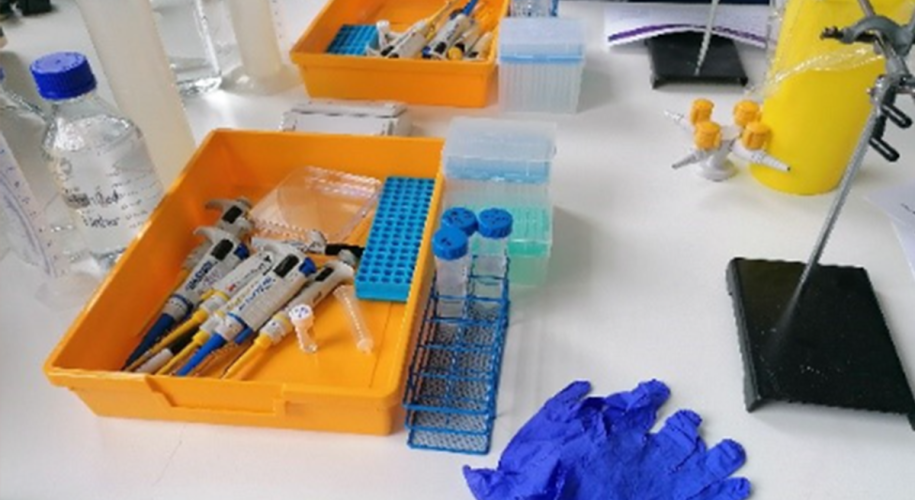
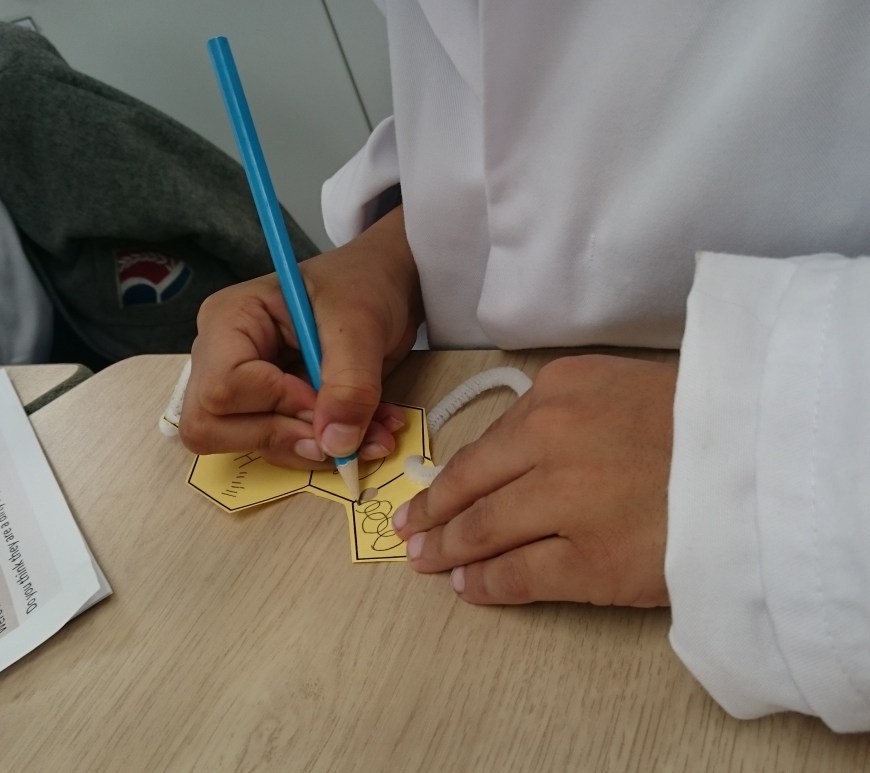
To coincide with the 2016 Olympics still being fresh in many children’s memories, we designed an activity called ‘Dirty Dopers, cheating or competing?’ which focused on the biochemistry behind performance enhancing drugs in sport.
Continue reading Dirty Dopers, cheating or competing?
New beginnings
By Helen Albert, Editor and Freddie Theodoulou, Science Editor
Welcome to The Biochemist Blog! As the forum for news, views and opinions on issues of relevance to the molecular bioscience community, we will be posting blogs on everything from the latest research to public engagement activities and student issues.

The metabolic benefits of exercise
By Ralitsa Madsen, Institute of Metabolic Science, Cambridge, UK
 Iris, the Greek Goddess messenger between humans on Earth and the Gods on Mount Olympus, has made an entry into human biology by providing inspiration for the name of a skeletal muscle-derived hormone. Irisin belongs to the class of myokines, which are molecules released by skeletal muscle in response to exercise and act as messengers to other tissues, including liver, fat and the brain. Given the beneficial effects of exercise, particularly in the context of obesity and Type 2 Diabetes, major efforts have been invested into discovering myokines of potential therapeutic value. Irisin seems to have it all, with multiple animal studies confirming its metabolic benefits such as lowering of blood glucose and lipid levels. Continue reading “The metabolic benefits of exercise”
Share this:

Microbiome manipulation – full steam ahead?
By Tilly Potter, Department of Twin Research, King’s College London
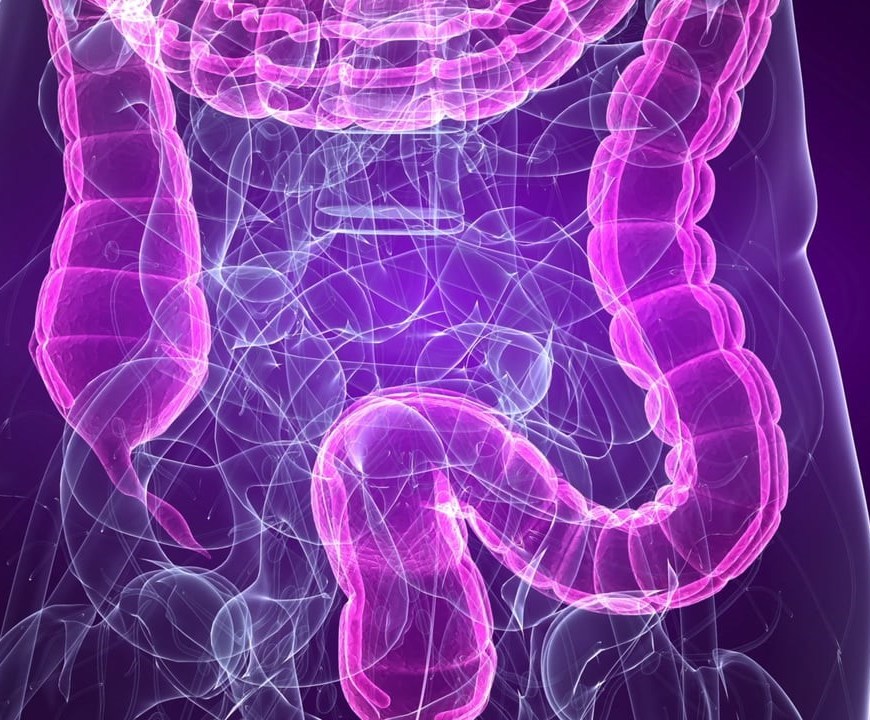
 I recently began my PhD during which I will be carrying out investigations into the human microbiome – that is, all of the microbes we harbour on and in our bodies and their genetic material. The reasons why I was attracted to this area are likely similar to those of other scientists who have entered this field; microbiome research is still in its relative infancy yet appears to hold enormous potential regarding understanding differences between health and disease, with the number of diseases or adverse health states examined continuing to increase with time. This makes it an incredibly diverse and exciting area to work within! Continue reading “Microbiome manipulation – full steam ahead?”

 ARCHIVE