



Six societies, two events, and a whole lot of coffee
By Jennifer Freer, Public Engagement Intern, British Ecological Society
What happens when six biology societies come together to celebrate International Coffee Day 2017? Well, when it’s the inhabitants of Charles Darwin House, it results in a two-day coffee extravaganza where science discussions mixed with cold brew coffee Martinis, and a cake-filled coffee morning took a double shot of biology know-how.
Continue reading Six societies, two events, and a whole lot of coffee
Why can tendons tell time?
By Chloé Yeung, Institute of Sports Medicine Copenhagen, Denmark
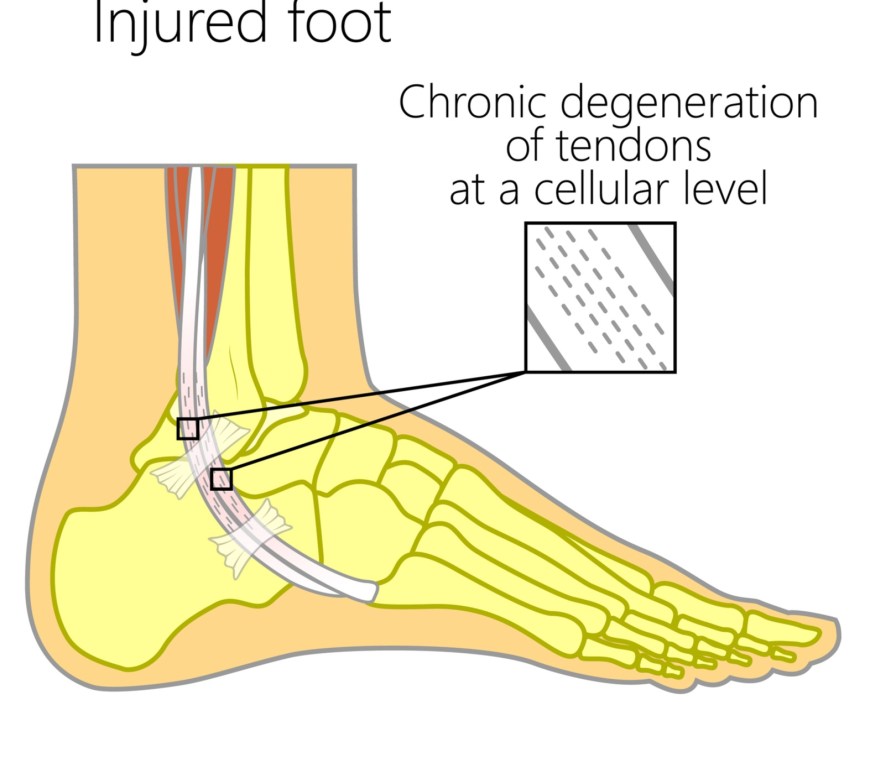
At the start of October, the 2017 Nobel Prize in Physiology or Medicine was awarded jointly to Jeffrey C. Hall, Michael Rosbash and Michael W. Young for their discoveries of molecular mechanisms controlling the circadian rhythm. In recent years, the very same molecular mechanisms have been discovered in our peripheral tissues and we’re now beginning to understand why circadian rhythms are also needed in our musculoskeletal tissues.


Resident evil: inflammation and depression
By Leah Kivivali, La Trobe University
Inflammation. When most of us think of inflammation, we probably think about a swollen joint or swelling around a wound, but can inflammation also affect our brains. Ultimately, inflammation is good. It’s the process whereby our body eradicates invading pathogens and helps us fight disease. However, inflammation can turn bad when the signalling to turn it off after the threat has gone doesn’t work.
Accessing our inner clock
By Helen Albert, Editor
We all have an inner clock that allows us to respond appropriately to our immediate environment according to the time of day or night. The existence of such biological clocks has been known about for some time, but the specific mechanism of action was unclear. In the 1980s, three American scientists – Jeffrey Hall, Michael Rosbash and Michael Young – succeeded in isolating a gene called period that had previously been linked with disruption of the biological clock in fruit flies.
 ARCHIVE