



The motivation to experiment – an art and science exchange
By Helen Albert, Editor
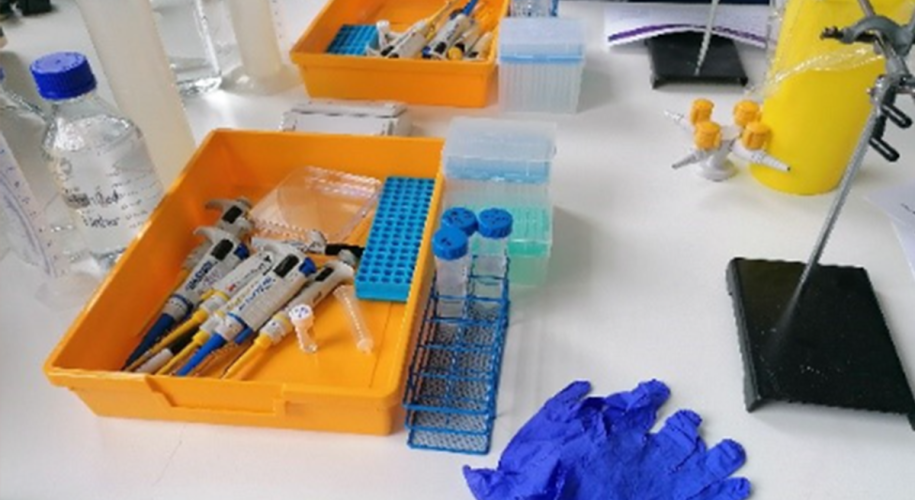
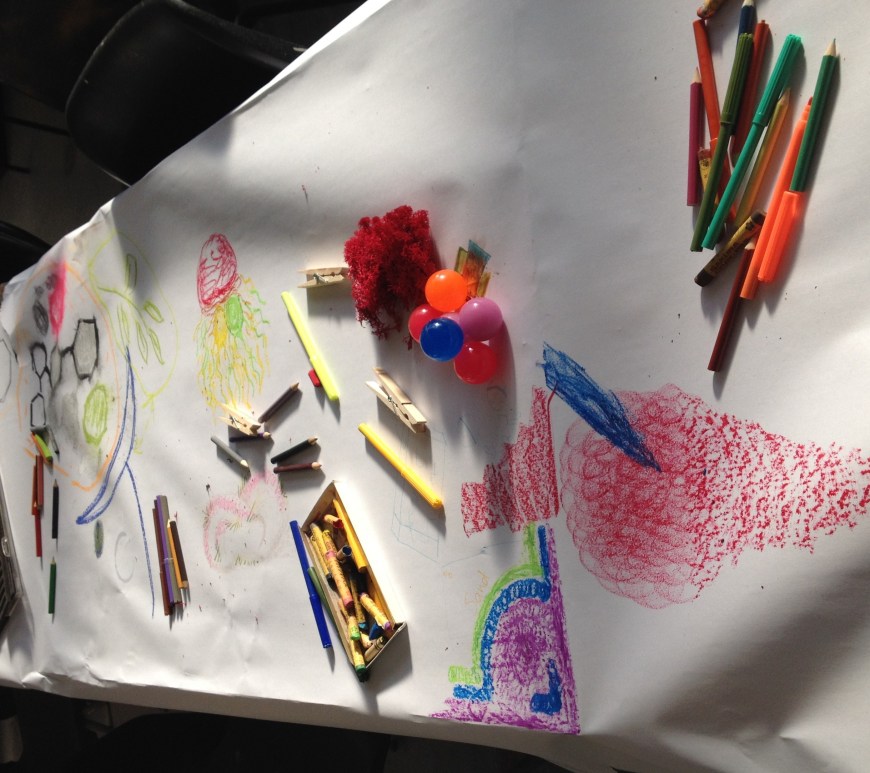
The distinction between art and science hasn’t always been as stark as the modern perception would have you believe. Early astronomers, mathematicians, inventors and biologists would have seen artistic work as an important part of their investigations. But as C. P. Snow pointed out in his infamous “two cultures” essay, the 20th century saw a movement towards specialisation and thus a segregation of the disciplines. However, in recent years the value of creativity and a different mindset in tackling scientific problems has been re-discovered.
Continue reading The motivation to experiment – an art and science exchange

Plant-based biomaterials: engineering the future
By Emily May Armstrong, University of Glasgow
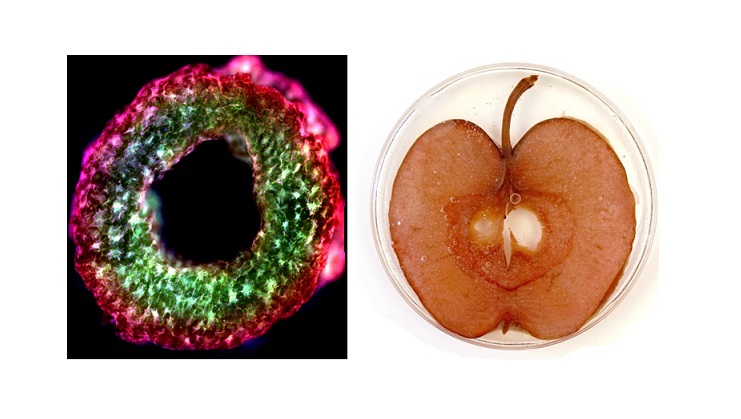
Currently, there’s a massive drive toward improving, creating, and manufacturing cheap and safe alternatives to traditional, mammalian-based biomaterials. Biomaterials take many forms: solid inert scaffolds, decellularized ghost organs, hydrogels, pastes, and powders. This is where plants come in, our photosynthetic friends are diverse, adaptable, and cheap to grow – making them perfect candidates for novel biomaterial production.
Continue reading Plant-based biomaterials: engineering the future

The lovely side of social media
By Megan De Ste Croix, Department of Genetic and Genome Biology, University of Leicester, UK
There are some negatives to working in academia, the fixed term contracts, the alarming high workload and the scarily low level of grant success for outrageously qualified candidates. However sometimes an outside perspective can show you a side you didn’t realise was there, or perhaps took for granted.


Making the most of the Industrial Strategy
By Emma Sykes, Science Policy Officer, Biochemical Society and the Royal Society of Biology
For our first Policy Lunchbox of the year we welcomed Naomi Weir, Deputy Director of the Campaign for Science and Engineering, CaSE, who led a highly animated discussion on the Government’s new Industrial Strategy and how we, the life science sector can make the most of it.
 ARCHIVE