




Are we the Baddies?
James Brown, Biochemical Society
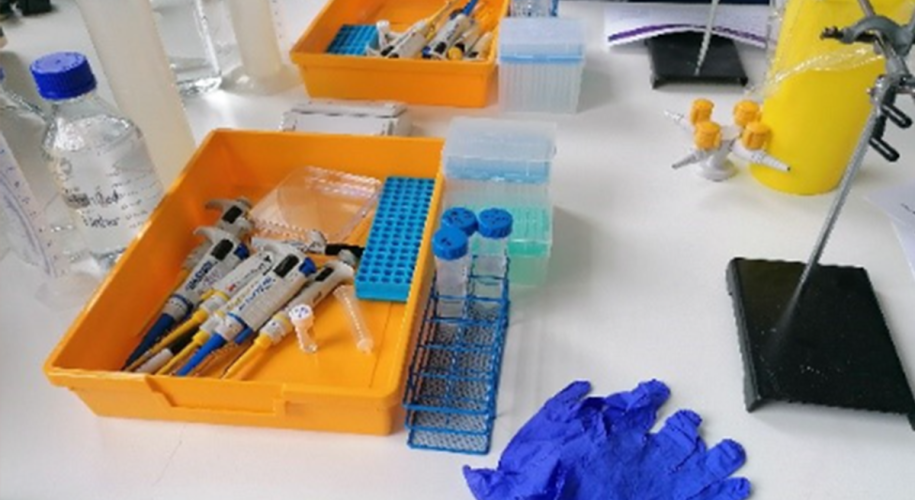
On the 1 May, the Biochemical Society will be at the opening film of the 18th London International Festival of Science Fiction and Fantastic Film. Prior to the film, geneticist, microbiologist, comedian and all round good egg Dr Charlotte Mykura will be giving a talk which aims to separate the science from the fiction and explore how fact can be even more unexpected than film. The film in question is Chimera, a Sci-Fi horror in which (and I quote), “A brilliant but disturbed scientist’s children are in cryogenic suspension, while he races to cure their deadly disease by decoding the DNA of the immortal Turritopsis jellyfish. To progress he needs lots of stem cells. A manipulative millionaire can help but she has her own agenda!”


Mimicking molecular machines
By Arwen Nugteren, University of Queensland, Australia
Rotors were used in early combustion engines and are still used in electric engines and turbines today. That means that when we first built cars, back in 1886, they used rotors in their engines simply because that was just what worked.
ATP synthase was discovered in 1960 as an essential enzyme in aerobic cellular respiration, but it wasn’t until the 1990s when John E. Walker partnered with crystallographers to determine its structure.


Hints & tips for preparing your first poster presentation
By Valentina Gifford, University of Oxford
In March, I attended the The Dynamic Cell III meeting in Manchester, where, with great excitement, I presented my first poster. The meeting started with the Students/Postdocs symposium, where we got the chance to warm up and have a quick taste of the amazing research that was about to follow. Then, a perfect mix of more experienced and early-career scientists set the context for an inspiring scientific discussion, that brought together a wide variety of topics, all focusing on understanding cell functions, such as motility and cell-cell interactions. The quality of the presentations was outstanding and everybody was able to share his enthusiasm.
Continue reading Hints & tips for preparing your first poster presentation
Venom: killer but also a potential cure
By Steve Allain, Imperial College London
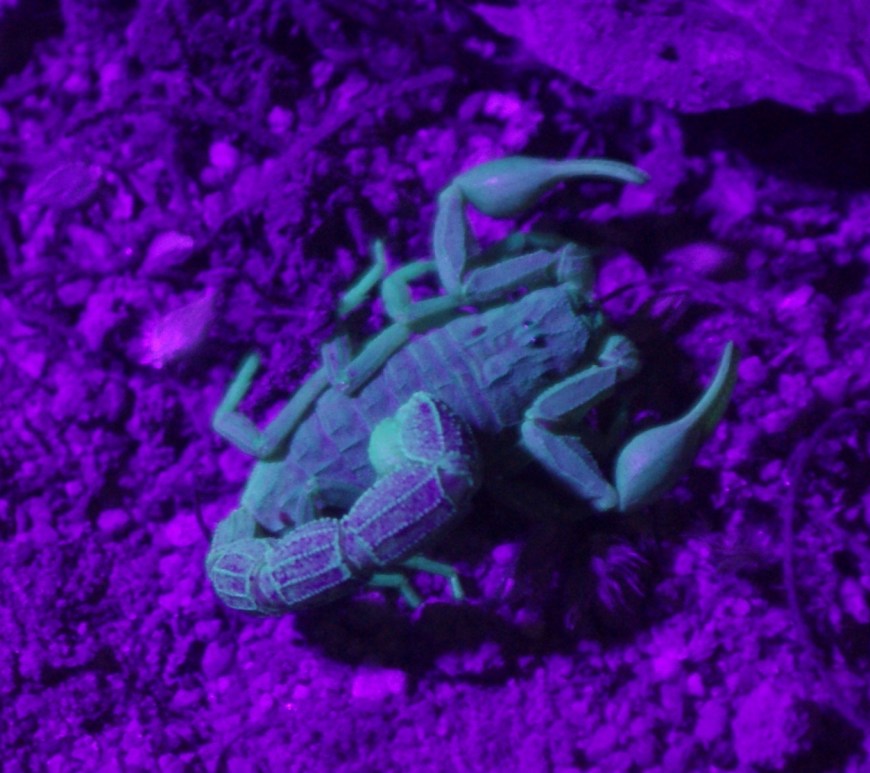
One of my biggest pet peeves as a herpetologist is the trouble that some people have with distinguishing between a venom and a poison – I thought I’d address this early on as I don’t wish to confuse anyone. There is an easy way to remember which is which, a venom has to be injected and a poison has to be ingested. It is very likely that if you ingested a venom it wouldn’t have any effect on your body due to the same protective properties in the stomach that protect us from pathogens, such as the change in pH.
 ARCHIVE