


Unseen waste in our waterways: a hidden environmental problem
By Brittany Maule, Indiana Department of Environmental Management, USA
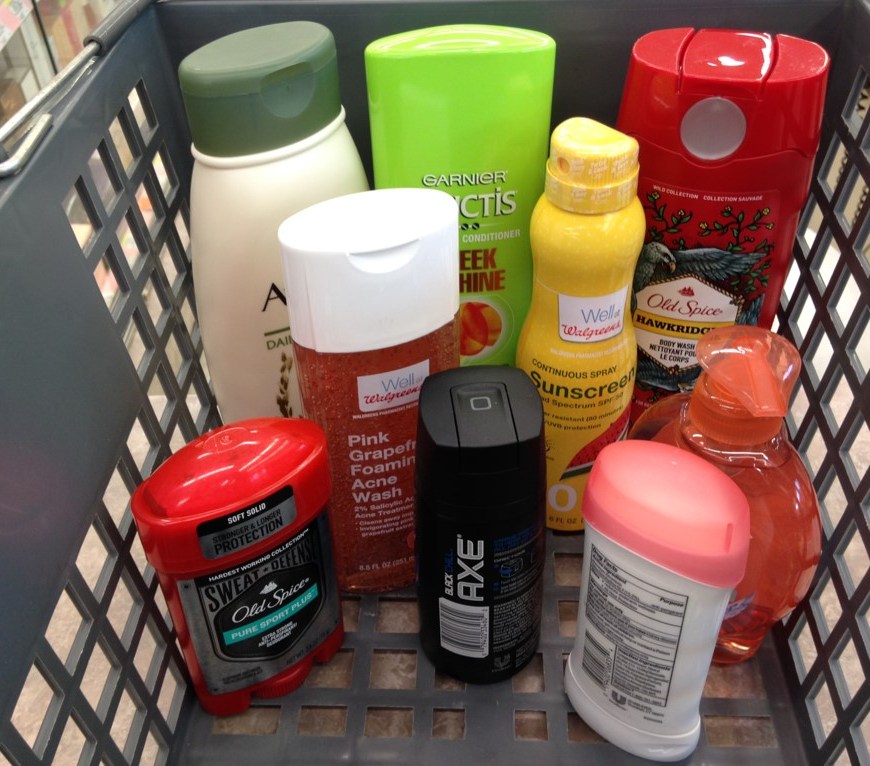
Coffee is the most popular beverage in the world. Americans in the U.S. consume 400 million coffee cups per day, and about 30% of those coffee drinkers add some sort of sugar or sweetener to their drink. Where does all that caffeine and sweetener go? What about all the other stuff we use every day? The answer that is becoming more and more concrete is in our waterways.
Continue reading Unseen waste in our waterways: a hidden environmental problem


PhD reflections: lessons and advice
By Ralitsa Madsen, Institute of Metabolic Science, Cambridge, UK
As a driven PhD student who is dedicating most of my waking hours to a very ambitious project, I often need to justify my choice to others. Wouldn’t I be set up for success with fewer hours in the lab, less scientific reading and a bit more faith in my own talent? My usual response is to ask the following question: how do elite athletes succeed?

I wandered lonely as syphilis
By Raniel Ponteras, University of St La Salle
Have you ever consulted a phrase of poetry to mend a wound cut by romantic abandon? Perhaps a line or two from Ovid, García Lorca, or Byron can soothe a festering gash. But would you ever take counsel from a poet to succour some sores down there – from a scourge named syphilis?

A Journey Known as PhD
By Debosree Pal, Jawaharlal Nehru Centre for Advanced Scientific Research, India
Why is a PhD called a Doctor of Philosophy? The term finds its origin way back in the 19th century in German faculties where it was introduced to incorporate arenas of research that were not encompassed under the regular disciplines of medicine, law or theology. As the world progressed and more areas of research in science were introduced, the term was retained.
 ARCHIVE