



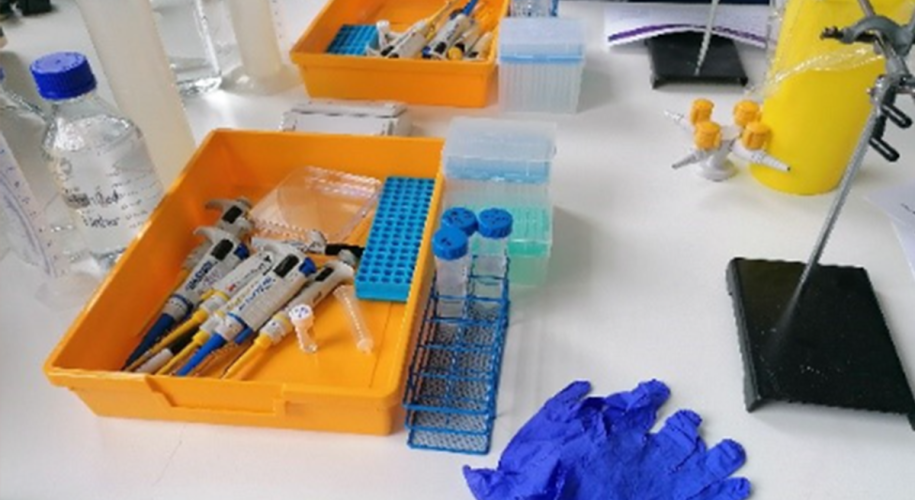

Why bacteria are smarter than we think they are
By Megan De Ste Croix, University of Leicester
Just like humans bacteria can catch a virus, however, when you’re just a single cell catching a virus can be pretty fatal. Because of this, bacteria have developed some effective systems to protect themselves. These systems, known as restriction-modification (RM) systems, come in a variety of shapes and sizes but it has always been thought their primary function is a defensive one against invading viruses and other invading DNA.
Continue reading Why bacteria are smarter than we think they are

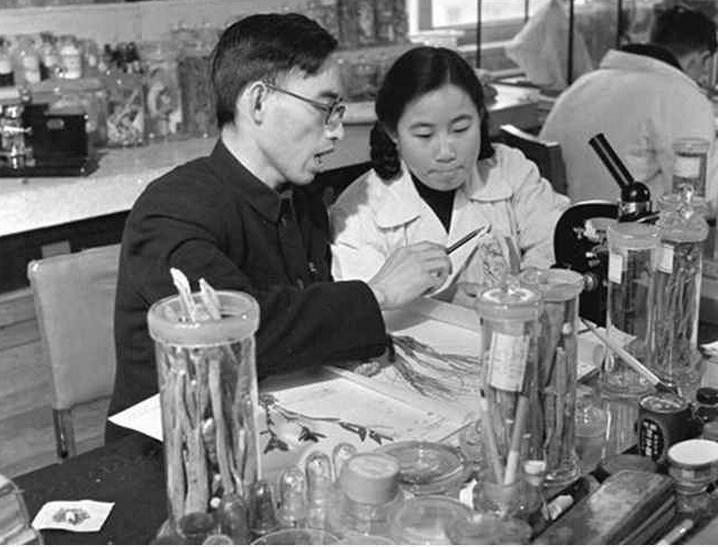
Youyou Tu and the discovery of artemisinin
By Isabel Vincent, University of Glasgow
Female scientists often struggle disproportionately compared to their male counterparts, but every now and then a woman will manage to break through the misogyny and show the world the potential that is often missed. Youyou Tu received the Nobel prize for medicine/physiology in 2015 for the discovery of the anti-malarial drug artemisinin – a remarkable achievement for a woman with no medical degree, no doctorate and no overseas experience.
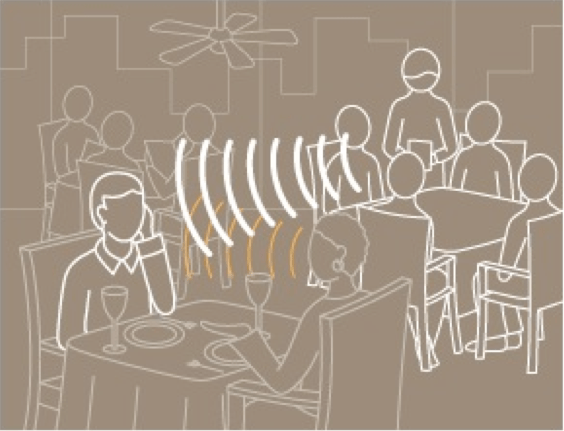
My hidden disability and how I owned it
By Brittany Dodson, Penn State University, USA
My world is quiet. I don’t hear thunder until it’s right on top of me, and sometimes I can’t hear a person talking to me. When I pick up the phone, the person on the other end sounds like Charlie Brown’s teacher from the Peanuts cartoons. I’ve had this hearing loss all my life. It wasn’t until graduate school that I realized I avoided situations, because I wouldn’t be able to hear well. And it started to affect my professional life as a scientist.
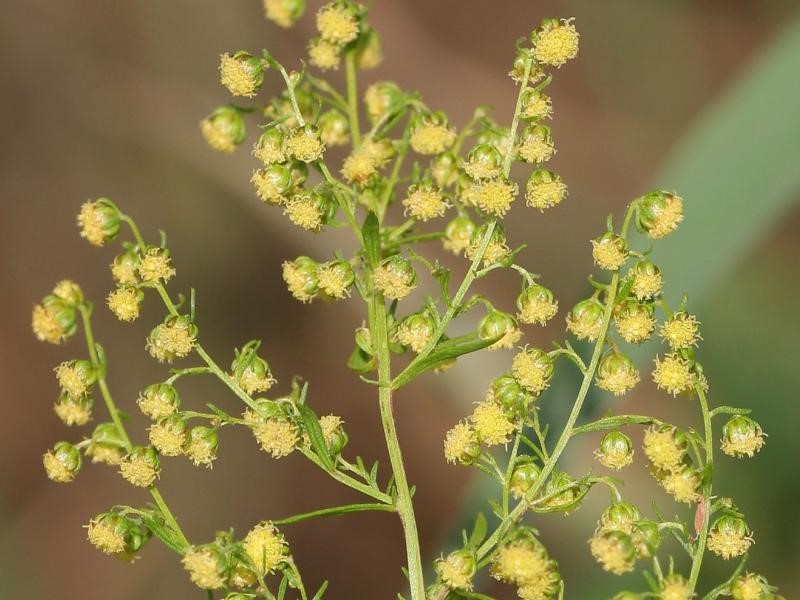
How plant science will change the world
By Erica Hawkins, John Innes Centre, University of East Anglia, Norwich
Plant science is a lot more important than you realise. It has often been cast as cell biology’s less exciting sibling. What is the point of studying root growth, flowering or stomatal aperture? There are way more important things to be researching… aren’t there?
 ARCHIVE