


Understanding the molecular with biochemistry and biophysics
By Emma Pettengale, Commissioning Editor, Portland Press
Why the molecular?
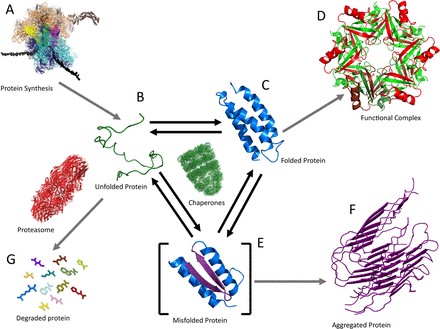
Molecular biosciences explore the structure and function of biomolecules within your cells and the processes that allow cells to live, reproduce and communicate with each other. Biomolecules are the building blocks for all life on Earth, from the simplest viruses, through bacteria to complex eukaryotic organisms and underpin the processes of transcription, translation, replication and cell function.


Continue reading “Understanding the molecular with biochemistry and biophysics”
Share this:



How to start writing your thesis
By Dr Ruth Nottingham, Impact Officer, University of Nottingham
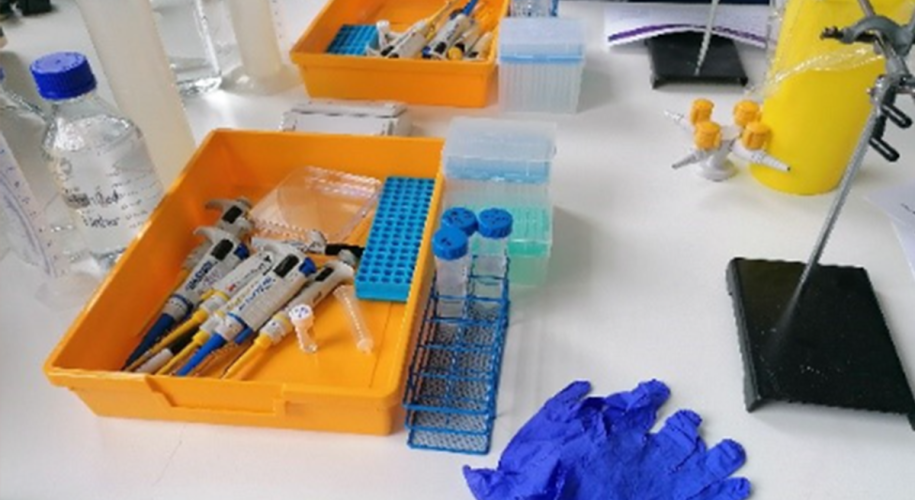
 So you are final year PhD student and the moment has finally arrived for you to put down your pipette and pick up a pen. It’s time to write a thesis!
This is an exciting time, it is the final hurdle of the PhD process and the finishing line is most definitely in sight. The tricky part is working out how to start, as whether you like writing or not the thought of writing something as large as a thesis can be a bit daunting.
To get past the fear of starting I leapt into the writing process, deciding that generating words however good or bad or in whichever order was the best way to get my thesis written. This worked out in the end but there are better strategies out there, so I thought I would share with you what I wish I had done. Continue reading “How to start writing your thesis”
Share this:

Let’s talk about stress
By Anastasia Stefanidou, Communications Officer, Biochemical Society

According to the UK Health and Safety Executive (HSE), in 2015/2016 stress accounted for 37% of all work-related ill health. It’s time for employers to support their staff and invest in giving people the techniques and guidance on how to cope with stressful situations.
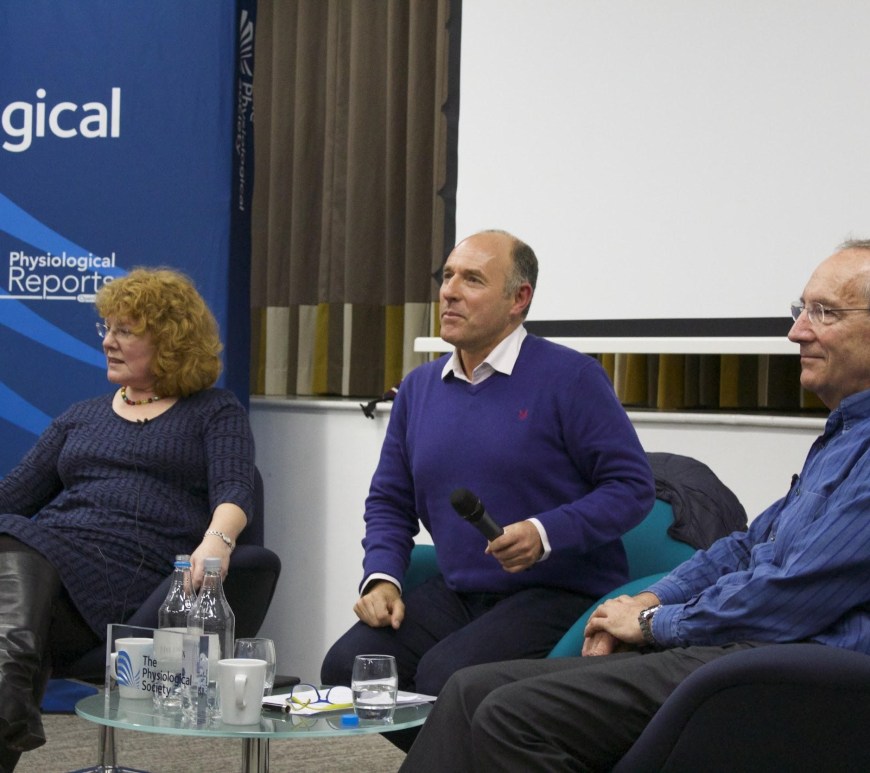
To raise awareness of and encourage discussion around the issue, The Physiological Society held a “Under Pressure: Making sense of stress” panel discussion on Tuesday, 21 February 2017.
The Physiological Society is devoting all of 2017 to ‘Making Sense of Stress’ across all areas – events, outreach, education, policy, and communications – with the general aim of emphasizing the contribution, past and current, of physiology to our understanding of stress. Continue reading “Let’s talk about stress”
Share this:


Empowering the adults of the future
By Patricia Bernal, Imperial College London
On a cold winter day in London on January 2017, Native Scientist celebrated a warm science outreach event for children in partnership with the Embassy of Ecuador in London. The meeting took place in the Ecuadorian Consulate located near King’s Cross St. Pancras in the very heart of the city of London. The event brought together 25 Ecuadorian pupils and 5 Spanish-speaking scientists from different disciplines.
Scientists used their mother tongue to explain to the children in an engaging and fun way the work they are currently performing in the United Kingdom. The workshop allowed the scientists to improve their communication skills and increase the impact of their research in a welcome environment. Continue reading “Empowering the adults of the future”

 ARCHIVE