



Scientific Scissors – The first cut
By James Brown, Education and Public Engagement Officer, Biochemical Society
 The dominating spectacle of dinosaurs and dodos seemed to spark the imagination of guests at the British Society for Gene and Cell Therapy’s annual Public Engagement Day, this year held at the Museum of Natural History in Oxford.
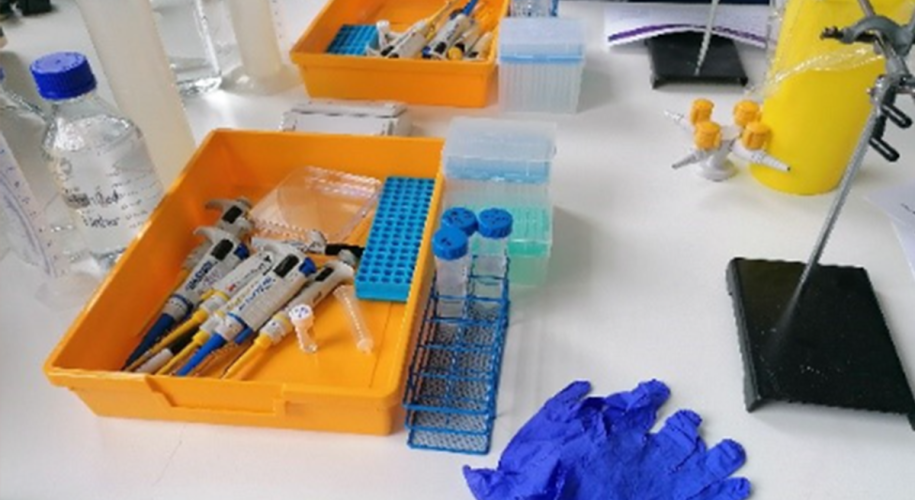
Biochemical Society members Evita Hartmane, Heba Ismail and James Tomkins joined me for the first outing of our new public engagement activity: Scientific Scissors. The activity is all about Genome Editing – What is it? How does it work? What can we do with it? What should we do with it? Why is it important? The aim is to start conversations about new technologies and give people the opportunity to ask questions whilst engaging with the ethical issues involved.
Continue reading “Scientific Scissors – The first cut”
Share this:



The demand for skills development in the molecular biosciences
 By Dr Derry K Mercer, Principal Scientist at Novabiotics Ltd & member of the Biochemical Society Policy Advisory Panel
The UK Government recently published a Green Paper ‘Building our Industrial Strategy’ in which the urgent need for developing skills in further/higher education and the workforce was outlined. The document noted that while the UK higher education system was strong, our achievements in basic and technical skills was relatively poor and has led to the lower levels of productivity compared with other advanced economies.
The skills issues were outlined as follows:
- lack of basic skills;
- shortage of high-skilled technicians below graduate level;
- skills shortages in STEM sectors;
- the need for informed career choices;
- lack of lifelong learning opportunities.
For anyone working in the molecular biosciences, whether in academia or industry, most of these concerns can hardly have come as a surprise and represents a huge problem for a growing sector that currently generates turnover of over £56 billion per annum. Indeed, the skills and productivity gaps were pointed out in an earlier UK government document ‘Fixing the foundations: Creating a more prosperous nation’ in 2015. Continue reading “The demand for skills development in the molecular biosciences”
Share this:


The Very Best Things About PhD Life
By Gareth Raynes, Aberystwyth University
 While every PhD experience is unique, there are big areas of overlap between experiences of PhD students regardless of discipline; I’ve spent several months speaking to a number of PhD students from across the UK, all in different fields and at different stages of their projects. Despite this wide range of backgrounds and circumstances, several aspects jump out as being ever-present markers of a PhD project; the unifying factors that connect together to make PhD life what it is.
So what are these common factors? And why do they make PhD life so great? Continue reading “The Very Best Things About PhD Life”
Share this:

Voice of the Future 2017: young scientists question MPs and Ministers
By Dr Andrew Quigley, Post-Doctoral Researcher at the University of Oxford

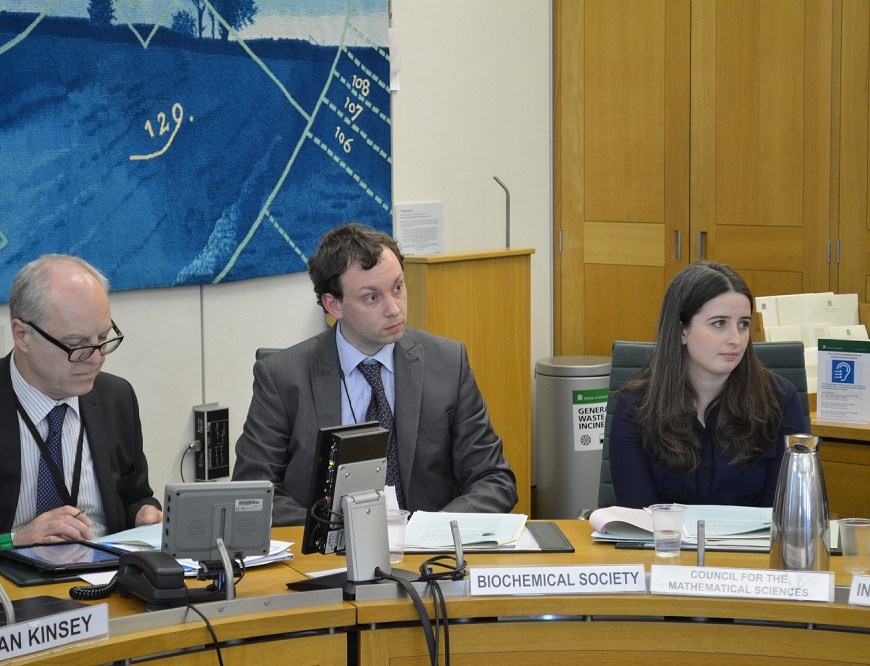
“Voice of the Future is a very unusual event” says Dr Stephen Benn, Director of Parliamentary Affairs at the Royal Society of Biology. There is no event quite like it anywhere else in Parliament, possibly the world. How often do young representatives of professional bodies get the opportunity to sit in for a Parliamentary Committee and question MPs about science policy issues that matter to them? But that is exactly the chance that I and 50 other young scientists and engineers were given. Continue reading “Voice of the Future 2017: young scientists question MPs and Ministers”

 ARCHIVE