



An introduction to gene editing

By Anastasia Stefanidou, Communications Officer, Biochemical Society
Gene editing and the use of CRISPR to fix genetic disease in human embryos seem to be all over the news these days.
It has just been reported that a team of American and South Korean scientists have successfully used CRISPR, a tool that cuts DNA with more precision than any other genome editing technology, to fix a genetic defect in human embryos that can cause serious heart problems. Continue reading “An introduction to gene editing”
Share this:


SciComm Competition: Video winner
By Alex Binks, University of Glasgow
Hearing that I had come first place in the Biochemical Society Science communication competition was a wonderful feeling. Of course, this feeling was in part due to my excitement over the prospect of having an extra £300 to spend on all manner of sensible and not-so-sensible purchases. But more importantly, I had managed to prove to myself that it’s possible to make a successful science video without any money or any clue what the hell I was doing.


Overcoming the so-called ‘male, pale and stale’ world of STEM
By Nabila Juhi, Urmston Grammar School
I was going to find a cure for cancer, seven-year-old me decided. From a young age I’ve always been interested in science. It was perhaps one subject where I felt I’d found my niche: it was logical, I was good at it and it provided me with answers to questions I’d yet to even consider. Coming from an immigrant family, with parents who didn’t continue onto higher education, I was encouraged to stick to it.
Continue reading Overcoming the so-called ‘male, pale and stale’ world of STEM
A novel use for CRISPR – use of narratives in public engagement
By James Brown, Education and Public Engagement Manager, Biochemical Society
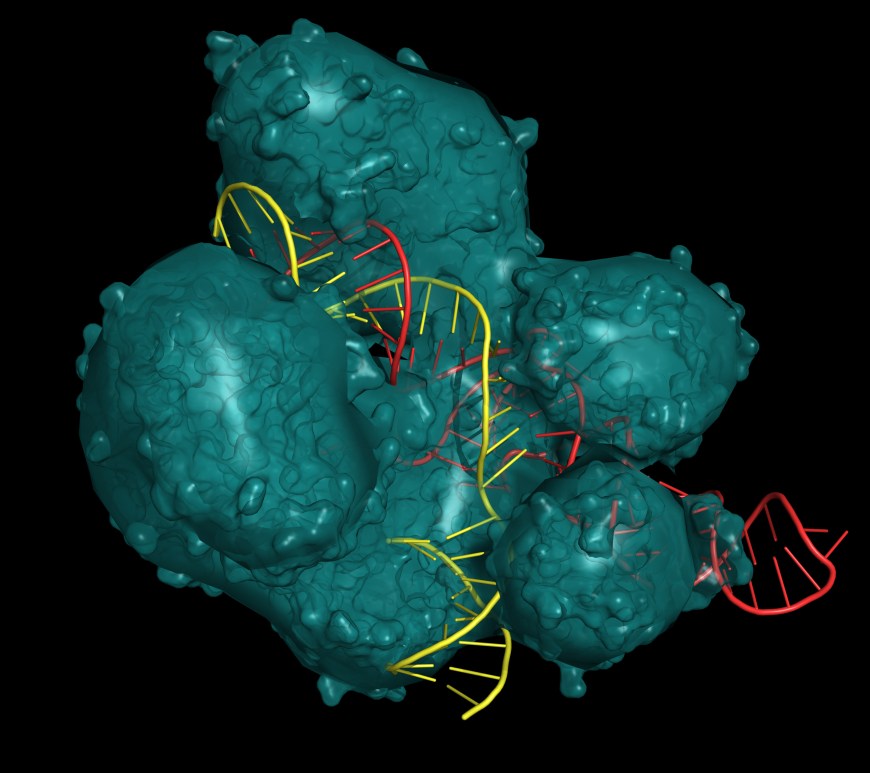
To Hoover. To Google. To CRISPR. As Jennifer Doudna pointed out at the launch of her new book, A Crack in Creation, once your invention has become a verb, you know you’re onto something big. And CRISPR (or CRISPR-Cas9) is certainly big; it doesn’t seem like hyperbole to describe it as a ‘game-changer’ in molecular bioscience.
Continue reading A novel use for CRISPR – use of narratives in public engagement
 ARCHIVE