Getting in2science

By Joy Aston, in2scienceUK

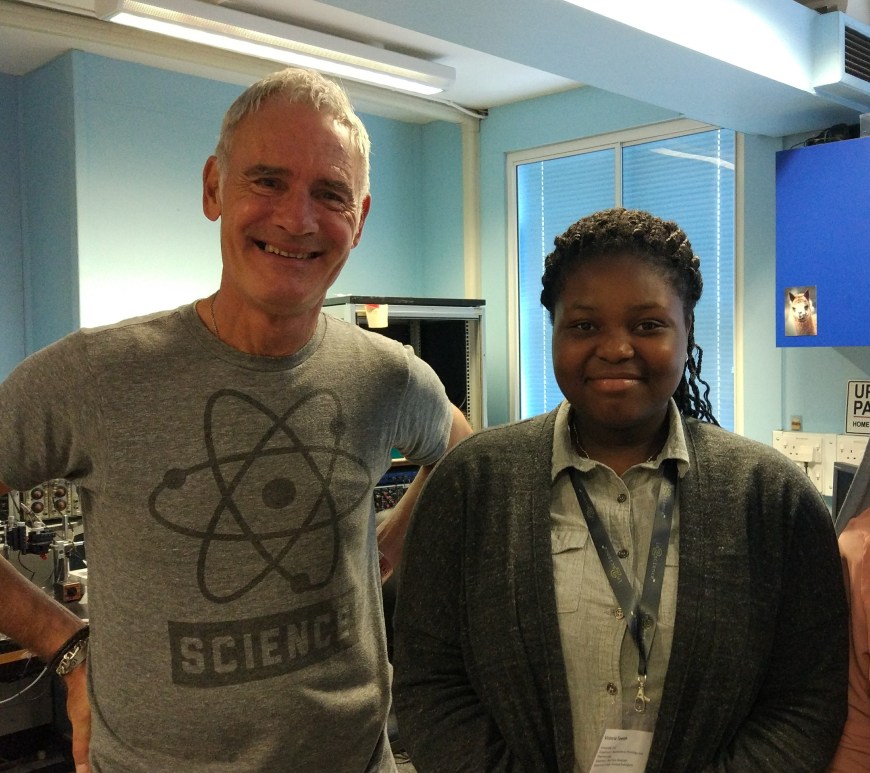
In2Science helps young people from low income backgrounds progress to science, technology, engineering and mathematics (STEM) careers with the aim to not only improve social mobility, but also encourage a more diverse and inclusive culture within the sector. We work by leveraging the STEM community to host bespoke two-week work placements, matching students with active researchers in academia and industry. In2scienceUK coordinators also provide all the students with university access workshops and careers guidance.


Continue reading Getting in2science

My hidden disability and how I owned it

By Brittany Dodson, Penn State University, USA

My world is quiet. I don’t hear thunder until it’s right on top of me, and sometimes I can’t hear a person talking to me. When I pick up the phone, the person on the other end sounds like Charlie Brown’s teacher from the Peanuts cartoons. I’ve had this hearing loss all my life. It wasn’t until graduate school that I realized I avoided situations, because I wouldn’t be able to hear well. And it started to affect my professional life as a scientist.

Continue reading My hidden disability and how I owned it

Hacked: the human edition

By Natalie Hamer, Newcastle University

In today’s western society, almost every individual owns a piece of technology. Be that a mobile phone, a tablet or a computer; technology has become so integrated into our lives that we use it daily to complete simple tasks such as communicating, banking and even shopping. The more we depend on technology, the more criminals will try to exploit this dependency to steal our private information for gain.

Continue reading Hacked: the human edition

Stem cell therapy for arthritis?

By Debosree Pal, JNCASR, India

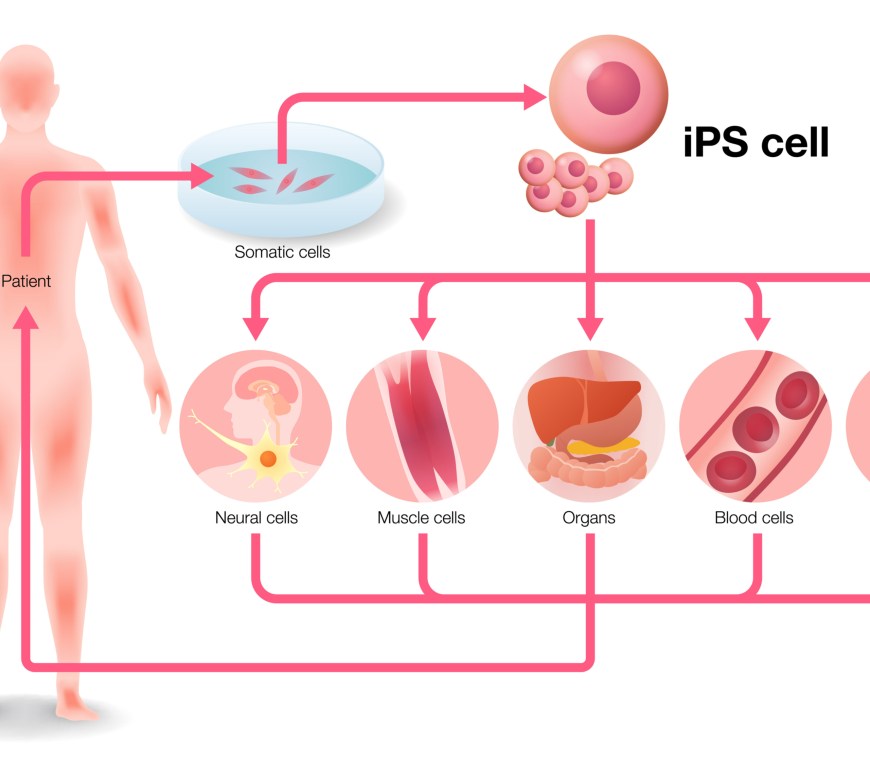
During the development of an embryo, the initial mass of cells that possess the capacity to constantly divide and give rise to all mature cell types of an organism are referred to as the stem cells. Stem cells have a capacity known as pluripotency, derived from the Latin term plurimus meaning very many and potens that refers to their capacity to differentiate into all cell types.

Continue reading Stem cell therapy for arthritis?