Hints & tips for preparing your first poster presentation

By Valentina Gifford, University of Oxford

In March, I attended the The Dynamic Cell III meeting in Manchester, where, with great excitement, I presented my first poster. The meeting started with the Students/Postdocs symposium, where we got the chance to warm up and have a quick taste of the amazing research that was about to follow. Then, a perfect mix of more experienced and early-career scientists set the context for an inspiring scientific discussion, that brought together a wide variety of topics, all focusing on understanding cell functions, such as motility and cell-cell interactions. The quality of the presentations was outstanding and everybody was able to share his enthusiasm.

Continue reading Hints & tips for preparing your first poster presentation

Venom: killer but also a potential cure

By Steve Allain, Imperial College London

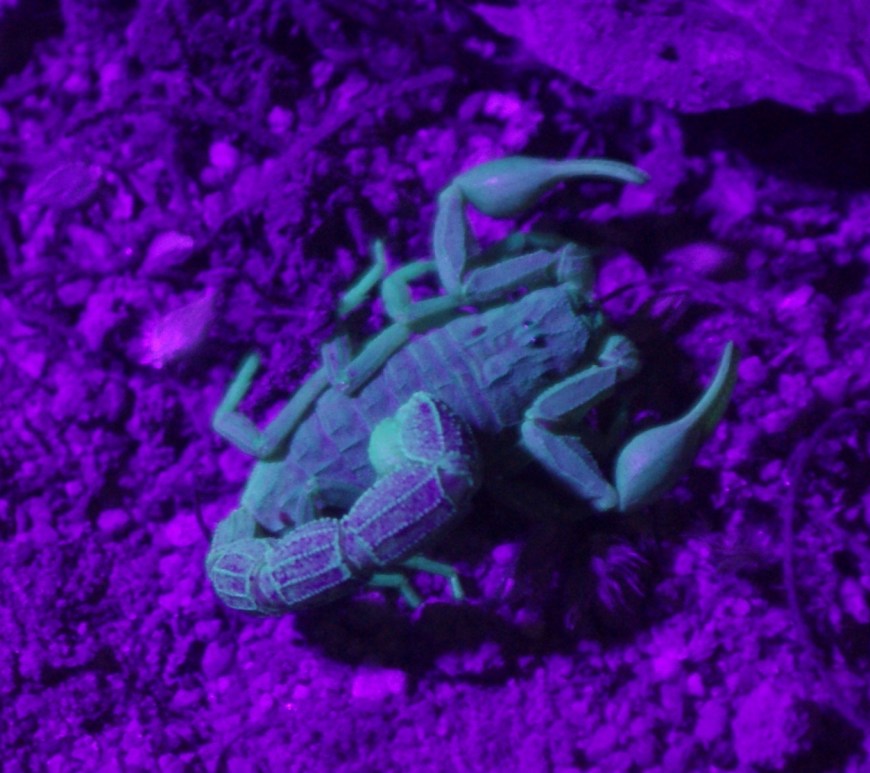
One of my biggest pet peeves as a herpetologist is the trouble that some people have with distinguishing between a venom and a poison – I thought I’d address this early on as I don’t wish to confuse anyone. There is an easy way to remember which is which, a venom has to be injected and a poison has to be ingested. It is very likely that if you ingested a venom it wouldn’t have any effect on your body due to the same protective properties in the stomach that protect us from pathogens, such as the change in pH.

Continue reading Venom: killer but also a potential cure

Thinking differently to drive innovation in cancer research

By Jenni Lacey, Cancer Research UK

At Cancer Research UK, we invest over £350 million each year on high-calibre cancer research which we believe has the potential to provide the greatest benefit to the public and cancer patients. We are always looking for novel ways to spark and fund creative ideas, and encourage fresh thinking. That’s why we’ve developed new ways of supporting research and stimulating innovation. We have funding schemes that are open to researchers from all backgrounds, including biochemists, and those not currently working in cancer research.

Continue reading Thinking differently to drive innovation in cancer research

Let the Trojan vesicles in

By Paulo Szwarc, Federal University of Paraná, Brazil

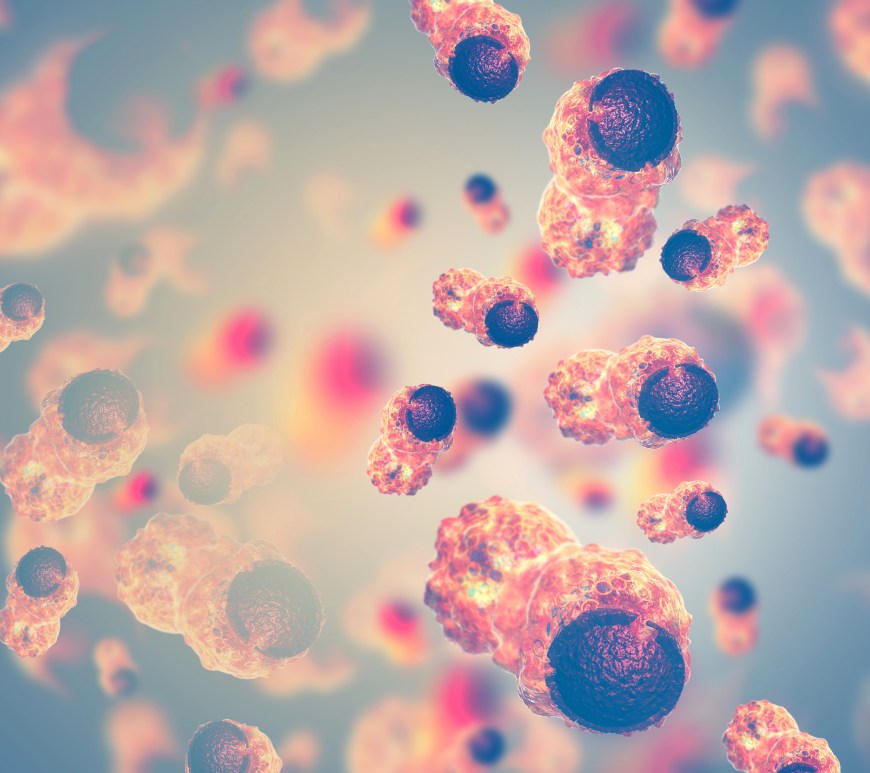
Cancer sure is tricky. We try to starve it, cut it, stress it out of our bodies. We even bombard it with radiation until it dies. And yet, not due to lack of trying, many times we lose the fight. It escapes, evades our resistance. Its overly mutational nature leads it to adapt, dodging the deadly effects of chemotherapeutics. Not only that, but the lack of selectivity in many treatments means that while we harm the tumour, we also wreak havoc to our own healthy cells. It makes the battle much harder.

Continue reading Let the Trojan vesicles in